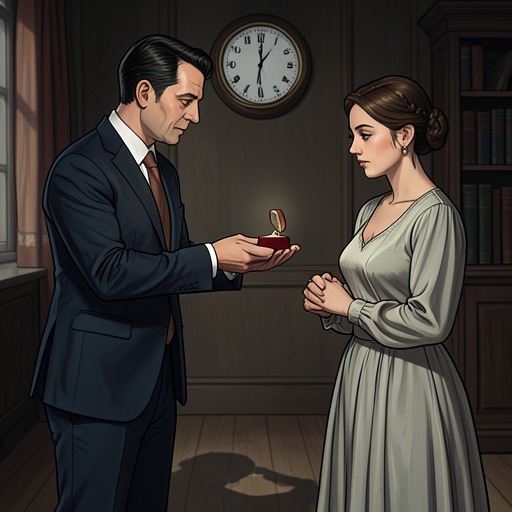
“I don’t want to have to survive. I want to live.”
After Ever HappyThe expression “I don’t want to have to survive. I want to live.” is Tessa’s clearest statement that enduring a relationship is not the same as living well within it. Spoken when Hardin Scott begs her to marry him and insists they can survive their troubles, it turns a plea for another chance into a declaration of her own needs and limits.
Context
Hardin asks what Tessa wants, saying she has told him many times that she wants him. She answers that she has nothing left to give and describes a growing hollowness inside her. He responds by promising to give her what she wants and asking her to marry him, but Tessa sees their relationship differently: she once believed their love was like the love in novels, able to withstand anything, and now doubts that they can make it.
Her words also follow her recognition of how much of her attention has been directed toward Hardin: she says her thoughts had been geared toward what she could do to make him better and make him stay. She apologizes for the fighting and back-and-forth, yet does not take that apology as a reason to continue the relationship.
The Turning Point
When Hardin insists they can survive, Tessa corrects the premise of his appeal. The distinction is not between love and its absence, but between surviving repeated pain and having a life she wants to live. The line stops Hardin’s pacing and hair-tugging; its force lies in making clear that a promise of future endurance cannot answer her present exhaustion.
She also rejects the expectation that she should wait for Hardin to return. He says he always comes back to her, but she says she cannot spend her life waiting and that it would be selfish to expect him to spend his life running from their relationship. The declaration therefore sets a boundary against their familiar return-and-reconciliation pattern rather than accepting another promise as a resolution.
Connection to the Greenhouse
The statement gives words to a decision Tessa had made only a little earlier. In the greenhouse, she had experienced dark thoughts, but they were brief; she says she overcame them alone on the floor of a cold shower after the hot water ran out. She is proud that she had decided she wanted to live. The later declaration carries that choice into her relationship with Hardin: protecting the possibility of living means refusing to make survival through their cycle of conflict the goal.
Tessa is surprised by her own resolve, noting that she does not remember having thought this way before. That surprise makes the line a marker of change as well as a rejection. For once, her decision is not framed around how to improve Hardin or keep him near, but around the life she cannot continue to postpone.